Acoustic Floating Floor

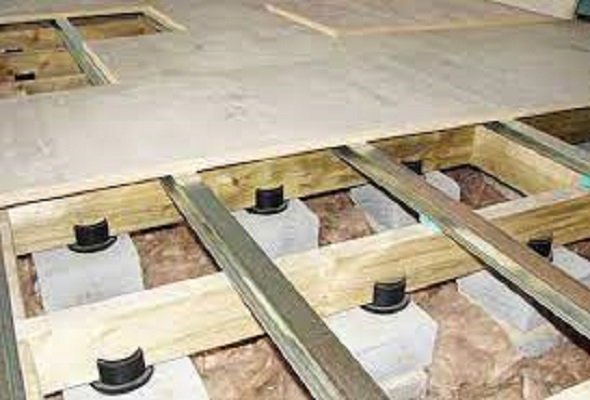
acoustic floating floor systems are incorporated into building design to minimize floor impact noise and airborne sound transmissions. Additional designed floor slab is supported by resilient mounts installed on the structural main slab. Floating Floors reduce the need for massive building construction by providing sound transmission loss.

Acoustic Floating Floor: Enhancing Sound Insulation and Comfort

Modern solutions like acoustic floating flooring are intended to lessen noise and increase comfort in various settings. The flooring chosen can significantly impact a space’s overall ambience and sound quality, whether it’s a home, office, recording studio or commercial building. An extensive examination of acoustic floating floor in Riyadh, its advantages, the installation procedure, and its uses will be given in this guide.

What is an Acoustic Floor?

An acoustic floor is a flooring system not directly attached to the subfloor or structure beneath it. Instead, it “floats” on a layer of acoustic insulation materials. This design helps to minimise sound transmission between floors and rooms, making it an ideal choice for noise-sensitive environments.

Benefits of Floating Acoustic Floors system

Superior Sound Insulation

Acoustic floors significantly reduce impact noise, such as footsteps and dropped objects, as well as airborne noise, like voices and music. This makes them perfect for multi-story buildings, recording studios, and any space where sound control is crucial.

Enhanced Comfort

The additional layer of insulation not only provides soundproofing but also adds a level of comfort underfoot. This is especially beneficial in residential settings where comfort is a priority.

Versatility

These floors can be installed over various subfloors, including concrete, plywood, and existing flooring. This versatility makes them suitable for both new constructions and renovations.

Easy Installation

Acoustic floors are relatively easy to install compared to traditional flooring systems. They often come in interlocking planks or tiles that can be quickly assembled, reducing labour costs and installation time.

Durability

To provide a long-lasting flooring solution, premium materials are utilized in Floating Acoustic Floors, which are made to withstand strong foot traffic and wear.

How do Floating Acoustic Floors Work?

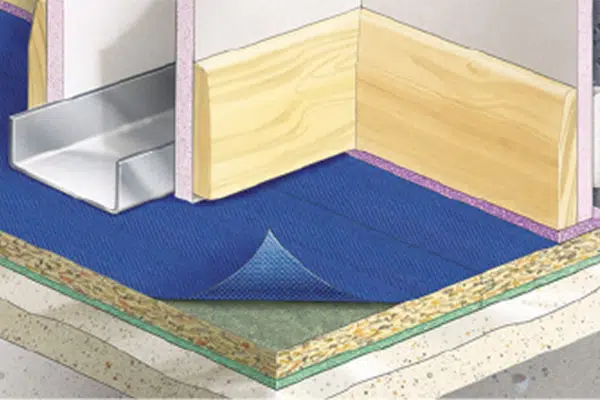
Acoustic floors work by decoupling the finished floor surface from the subfloor, creating a gap filled with sound-absorbing materials. By serving as a buffer, this space lessens the amount of sound waves that are transmitted. The flooring system typically includes:

Surface Layer: The visible layer is made from various materials like laminate, vinyl, or engineered wood.

Acoustic Underlayment: A layer of soundproofing material, such as foam, rubber, or cork, that absorbs sound and provides cushioning.

Floating Mechanism: Adhesive strips or interlocking edges that let the floor “float” over the subfloor without being anchored in place.
Installation Process

Preparation

Subfloor Inspection: Ensure the subfloor is clean, dry, and level. Any imperfections should be addressed before installation.

Acclimatisation: You can decide whether to install Floating Acoustic Floors in your space by being aware of the advantages, the installation procedure, and maintenance advice.

Laying the Underlayment

Roll out the acoustic underlayment over the entire subfloor, overlapping the edges to ensure complete coverage.

Secure the underlayment with adhesive strips or tape to prevent movement during installation.

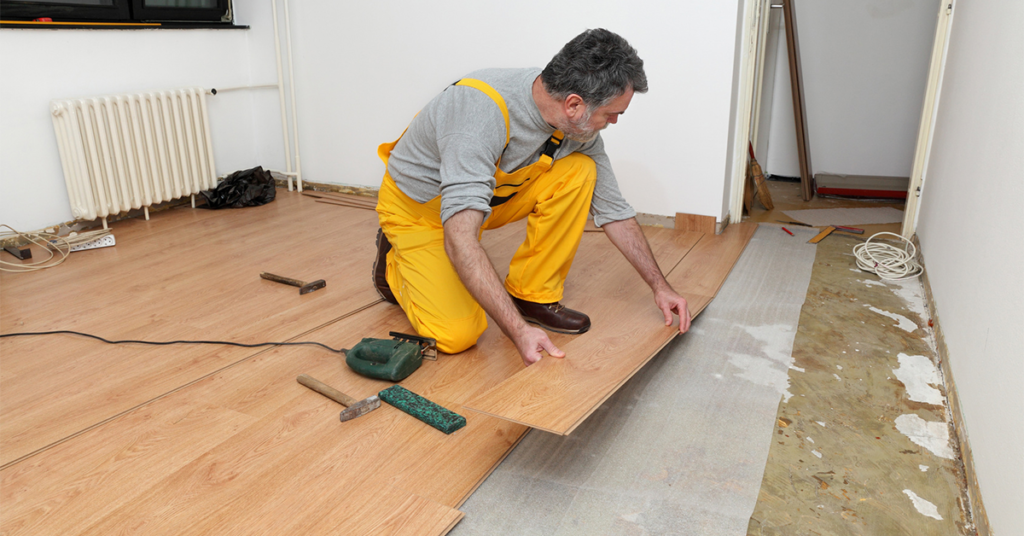
Installing the Floating Floor

Start laying the flooring planks or tiles from one corner of the room, using spacers to maintain an expansion gap around the perimeter.

Interlock the edges of the planks or tiles, following the manufacturer’s instructions.

Continue laying the flooring across the room, cutting pieces as necessary to fit around obstacles and along walls.

Finishing Touches

Remove the spacers and install baseboards or mouldings to cover the expansion gap.

Clean the floor surface and check for any loose areas needing adjustment.

Types of Floating Floors

Laminate Floating Floors

A lot of people choose laminate floors because of their strength and visual appeal. They have multiple layers, including a core layer for stability, an acoustic underlayment for sound absorption, and a photographic layer that mimics the look of wood or stone.

Vinyl Floating Floors

Kitchens and bathrooms are good places for vinyl floors because they are easy to maintain and resistant to water. They also provide excellent sound insulation when paired with the right underlayment.

Cork Floating Floors

Cork is a natural material known for its excellent sound-absorbing properties. Cork floating floors provide a soft, warm surface that is comfortable underfoot and ideal for noise reduction.

Maintenance Tips for Floating Acoustic Floors

Regular Cleaning

To keep the floor free of dirt and debris that could scratch it, sweep or vacuum it on a regular basis.
For nicely cleaning process, use a damp mop and a light cleanser; do not use too much water since this might damage the flooring materials.

Protecting the Floor

Place mats or rugs in high-traffic areas to reduce wear and tear.
To stop heavy furniture from scratching and denting, use furniture pads.

Addressing Spills and Stains

Spills should be cleaned up as once to avoid moisture damage.
Following the manufacturer’s recommendations, use a soft cloth and a suitable cleaner to remove stains.

Conclusion

Acoustic floating floors in Riyadh offer a perfect blend of sound insulation, comfort, and durability. They are excellent for various settings, from residential homes to commercial spaces and specialised environments like recording studios. You can decide whether to install floating floors in your space by being aware of the advantages, the installation procedure, and maintenance advice. Whether you prioritise noise reduction, ease of installation, or aesthetic appeal, we provide a comprehensive solution to meet your needs.